
My House Flooded—What Do I Do Now?

A flood is one of the most stressful things a homeowner can face. In a matter of hours, clean living spaces can turn into wet, contaminated environments—and the clock starts ticking immediately.
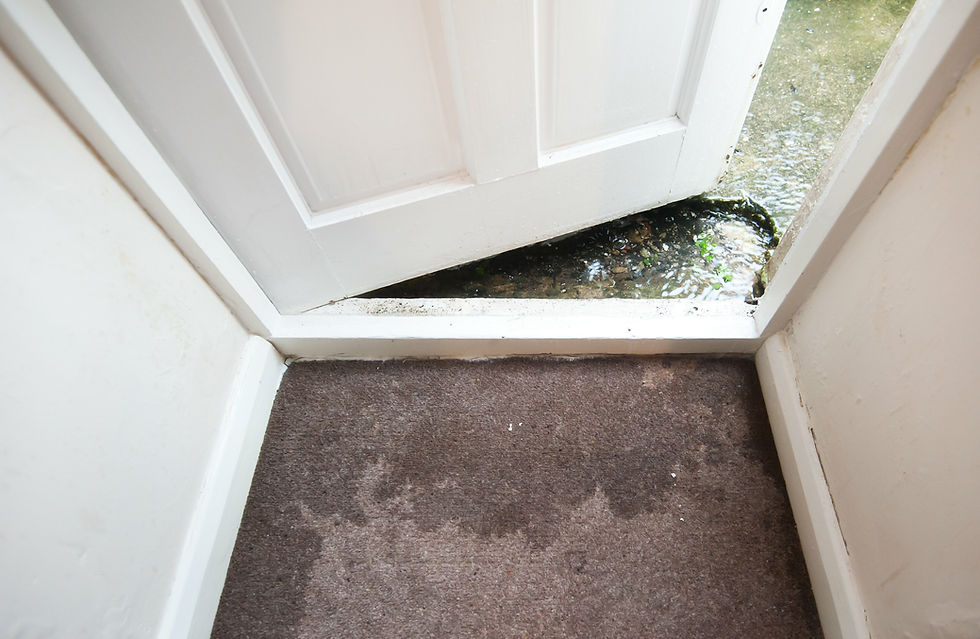
What you do in the first 24–72 hours matters, but what happens after the drying process is just as important—and often overlooked.
This guide will walk you through what to expect, what restoration companies do well, and where hidden risks—especially mold—can still remain.
Step 1: Act Fast—Water Damage Is Time-Sensitive
As soon as water enters the home, materials like drywall, insulation, flooring, and wood begin absorbing moisture. Within a short window:
Materials swell and degrade
Air humidity rises quickly
Microbial activity begins
That’s why disaster restoration companies move quickly. Their primary goal is simple:
Dry everything out as fast as possible before mold has a chance to take hold.
Step 2: What the Disaster Company Does (and Does Well)
Professional restoration crews typically:
Extract standing water
Remove heavily saturated materials (e.g., drywall, carpet)
Set up high-powered air movers and dehumidifiers
Monitor moisture levels until materials reach acceptable dryness
This process is critical—and when done properly, it significantly reduces the risk of widespread mold growth.
In some cases, they may also:
Apply antimicrobial sprays
Clean visible areas where mold has started forming
Step 3: What Often Gets Missed
Here’s the part most homeowners aren’t told clearly:
Even with proper drying, mold growth and contamination can still occur.
Why?
1. Timing Isn’t Always Perfect
Mold can begin developing within 24–48 hours under the right conditions. Even a short delay—before or during drying—can allow early growth to start.
2. Hidden Moisture
Not all moisture is visible or easily removed:
Inside wall cavities
Beneath flooring
Within insulation or framing
Even small pockets of retained moisture can support microbial growth.
3. Residual Contamination
Even if visible mold is cleaned or removed, what often remains behind is:
Microscopic spores
Fragments of mold (biomass)
Residues from contaminated water (especially in flood events)
These are not always addressed during standard drying and demolition.
Step 4: The Reality of “Dry” vs. “Clean”
A home can be structurally dry but still not environmentally clean.
This is an important distinction.
Disaster restoration companies are focused on:
Preventing major mold colonization
Stabilizing the structure
Getting the home ready for repair
They are not typically focused on:
Whole-home microbial contamination
Airborne spore load
Residual biological material left behind after drying
In many cases, mold is not deeply discussed unless it becomes a visible or structural issue.
Step 5: Why Mold Can Still Be a Problem After Drying
Even after a successful dry-out:
Dormant spores can remain throughout the home
Previously wet materials may have been exposed to contamination
Air movement during drying can redistribute particles
Odours or irritation may persist
This is especially true in flood situations, where water may carry:
Soil bacteria
Organic contaminants
Other microbial matter
Step 6: What You Should Do Next
Once the drying phase is complete, it’s worth asking:
Does the home smell “musty” or different?
Are there areas that were heavily affected?
Has the indoor air quality changed?
Were you given any documentation about microbial conditions?
If there’s uncertainty, the next step is not more demolition—it’s assessment and proper sanitization.
Step 7: Restoring the Indoor Environment
This is where a different type of service comes in—one focused not just on drying, but on restoring the indoor environment at a microscopic level.
Whole-home biodecontamination addresses:
Airborne mold spores
Residual microbial particles
Contaminants left behind after water damage
Surfaces that appear clean but may still carry biological residue
Unlike harsh chemical treatments, our modern system can:
Neutralize microbial contaminants
Improve overall indoor air quality
Treat both exposed and hard-to-reach areas
Final Thoughts
If your home has recently flooded, getting it dry quickly is absolutely essential—and disaster restoration companies play a critical role in that process.
But drying is only part of the picture.
Dry does not always mean clean.
Understanding what may still be present after the fans and dehumidifiers are gone can help you make better decisions about your home, your air quality, and your long-term health.
If you’re unsure whether your home is truly back to a safe and clean condition, a post-restoration evaluation can provide clarity—and peace of mind.


Comments